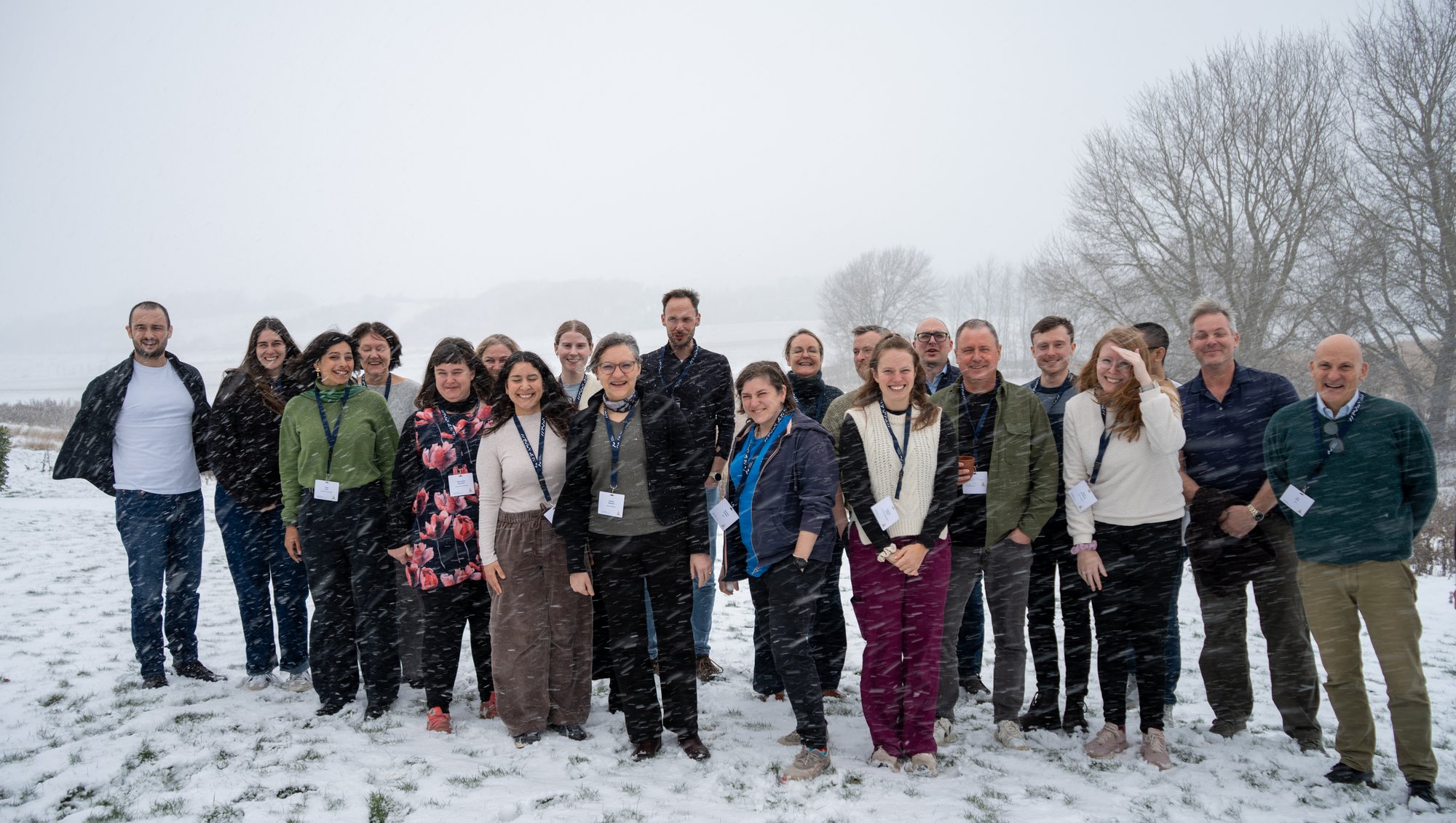
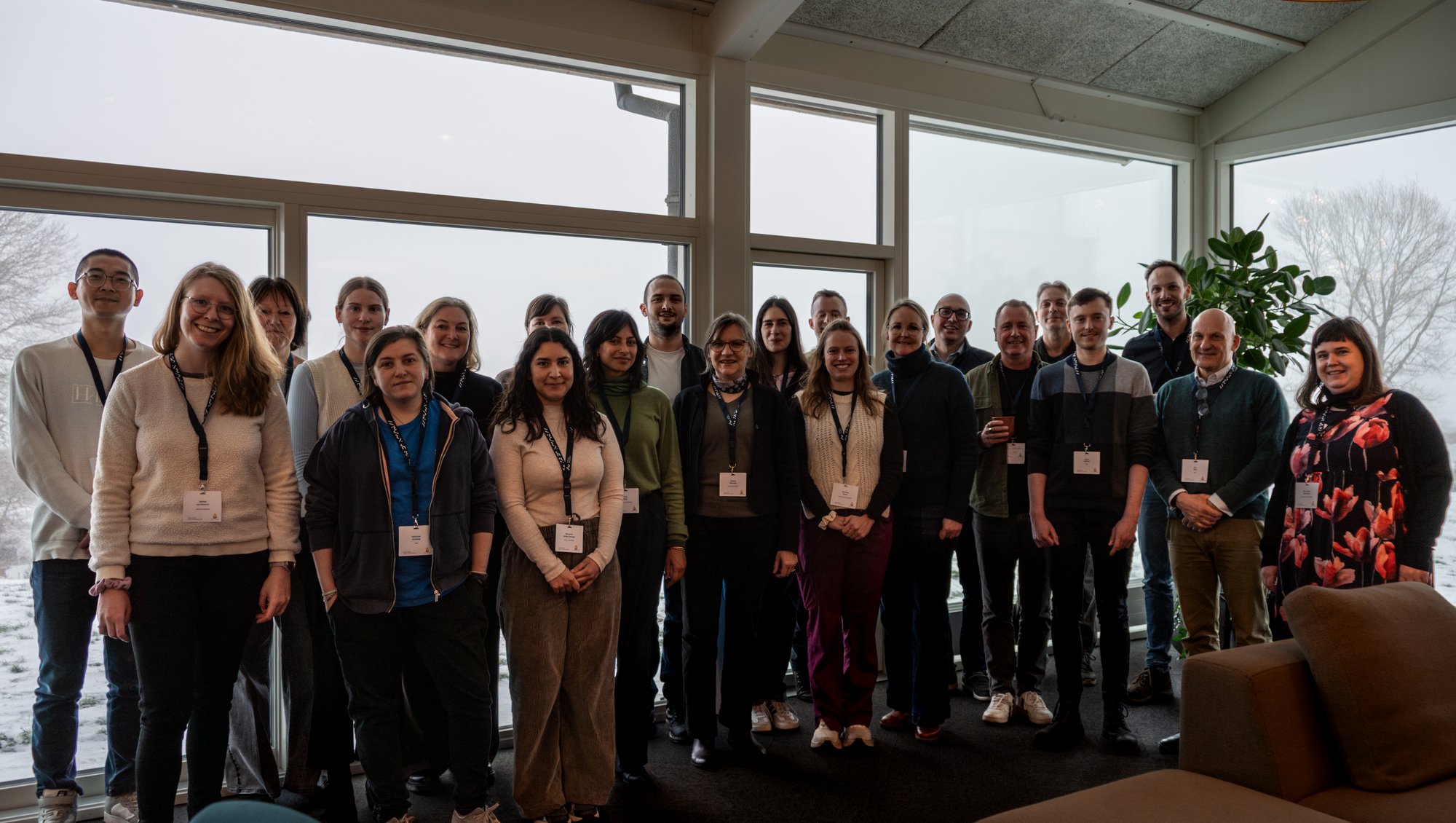
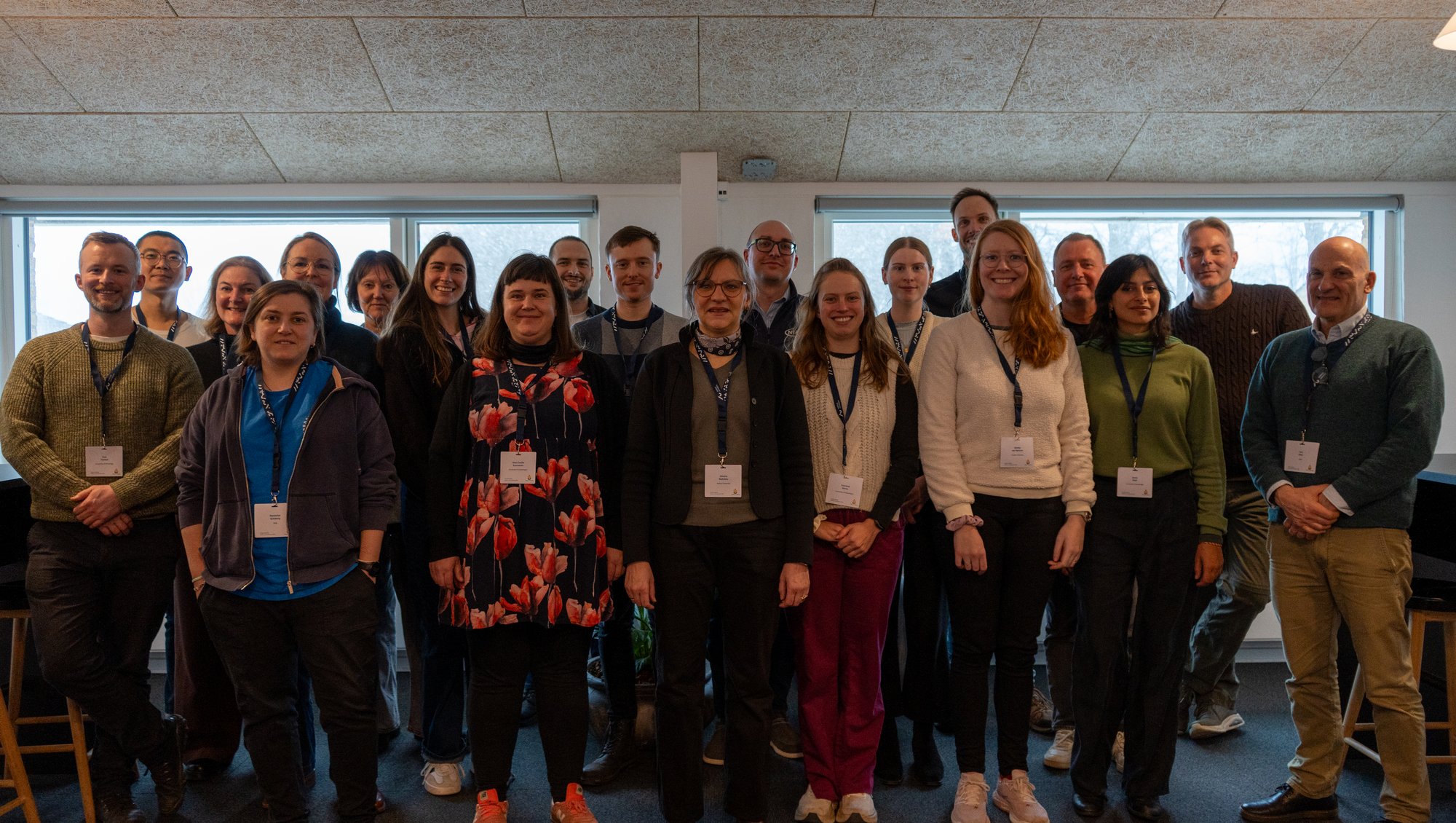
In January 2026, the Wheat Alliance consortium gathered in Aarhus, Denmark, for its second in-person annual meeting — building on the momentum of the inaugural kick-off at Fitzwilliam College, Cambridge one year earlier.
Researchers from all six partner institutions — Aarhus University, University of Copenhagen, Utrecht University, North Carolina State University, NIAB, and the Crop Science Centre — presented significant progress from the first year of the project, including:
The meeting also set the agenda for the next phase of experiments, with a focus on integrating genomic, microbiome, and phenotypic datasets into practical tools that can inform future wheat breeding programmes aimed at reducing dependence on chemical fertilisers.
The Wheat Alliance is funded by a DKK 50 million grant from the Novo Nordisk Foundation and led by Professor Simona Radutoiu at Aarhus University's Department of Molecular Biology and Genetics.
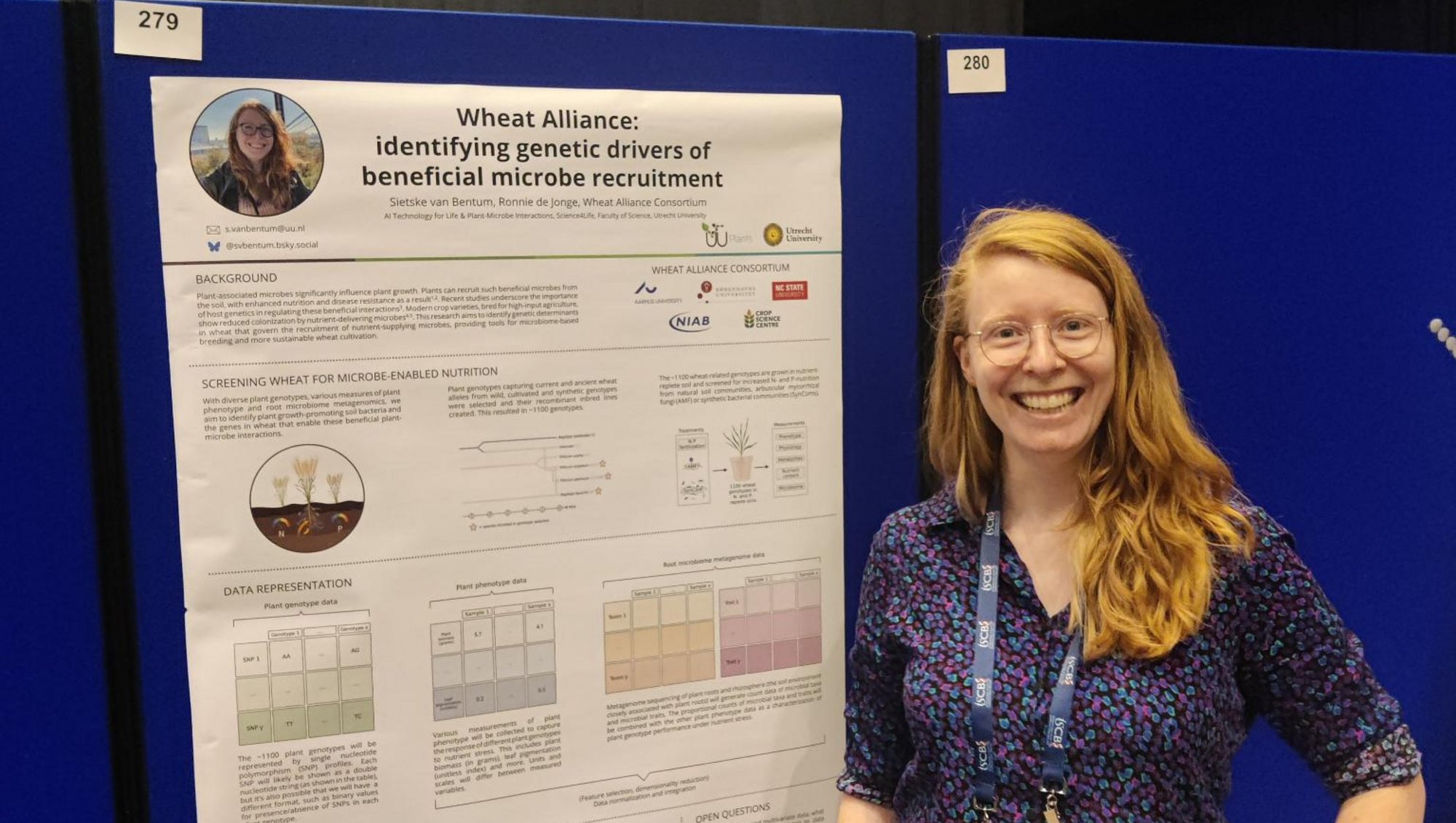
Wheat Alliance researcher Sietske van Bentum (Utrecht University) presented her poster at the ISMB/ECCB 2025 conference on computational biology and bioinformatics.
Her work focused on applying bioinformatic tools to analyse wheat-microbiome interaction data generated by the Wheat Alliance consortium. The conference featured in-depth technical talks on state-of-the-art computational methods — several of which are now being evaluated for integration into our data analysis pipeline.
Wheat Alliance scientists presented their research at the international Rhizosphere 6 conference in Edinburgh (16–19 June 2025), a leading forum for research on plant root interactions with the soil environment.
The conference brought together researchers from around the world to discuss advances in understanding how plant roots interact with the physical, chemical, and biological soil environment under a changing climate — with a focus on three global challenges: climate change, biodiversity loss, and agricultural sustainability.
For our team, the meeting provided valuable opportunities to exchange findings on wheat-microbiome dynamics and benchmark our phenotyping approaches against other rhizosphere research groups.


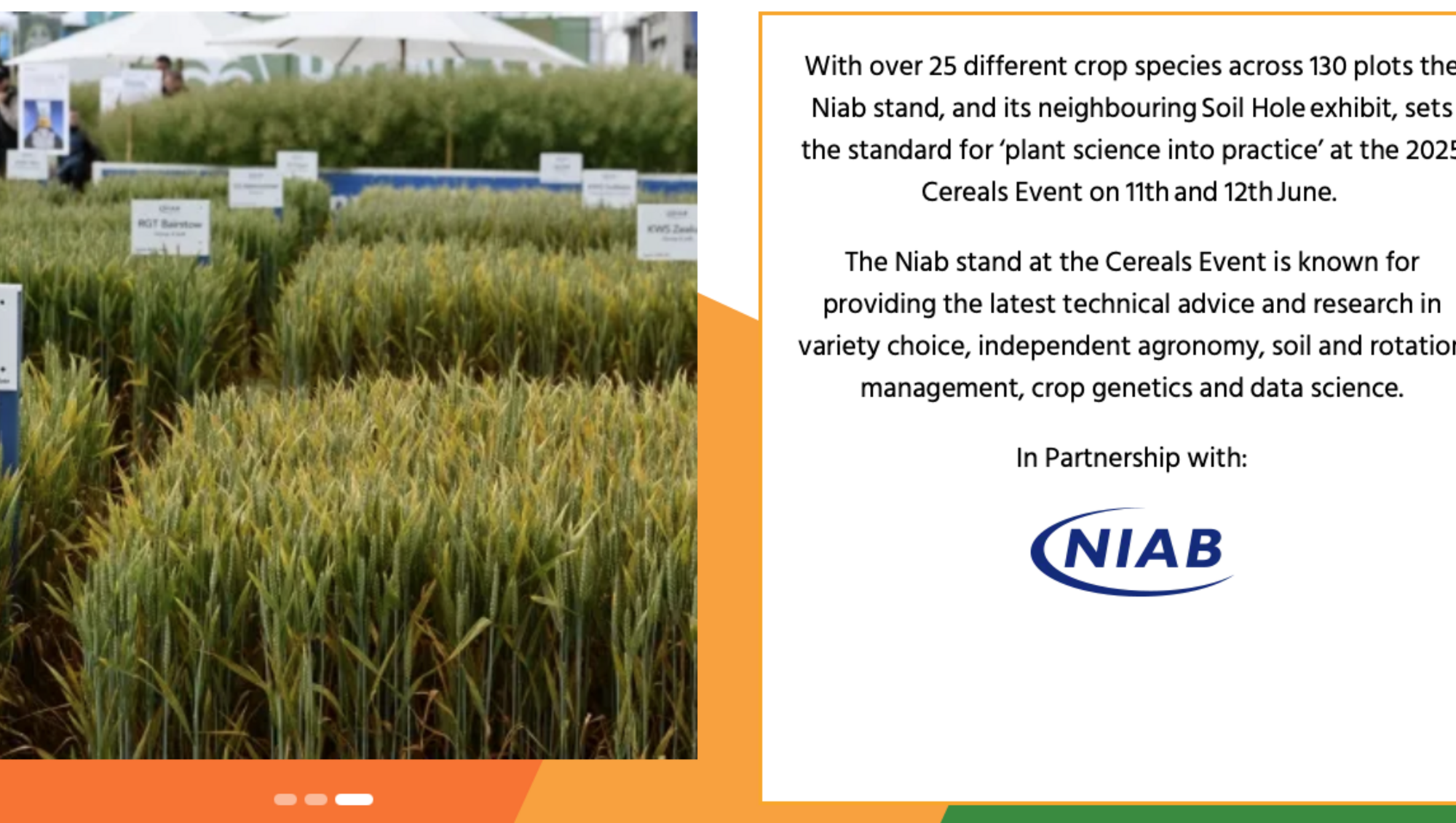
Our partner NIAB showcased Wheat Alliance research at two major UK agricultural events in 2025:
These demonstration events connect our laboratory and greenhouse findings with end users — growers, policy makers, and the wider agricultural community — ensuring our research translates into real-world impact.
In this video, Dr. Rob Jackson and Felipe Pinheiro (Crop Science Centre / NIAB) explain how multispectral drone technology is being used in the Wheat Alliance to capture dynamic images of growing wheat plants across soils with different nutrient levels.
This aerial phenotyping approach allows the team to monitor plant health and growth responses at scale — a critical tool for identifying wheat genotypes that perform well under nutrient-limited conditions.
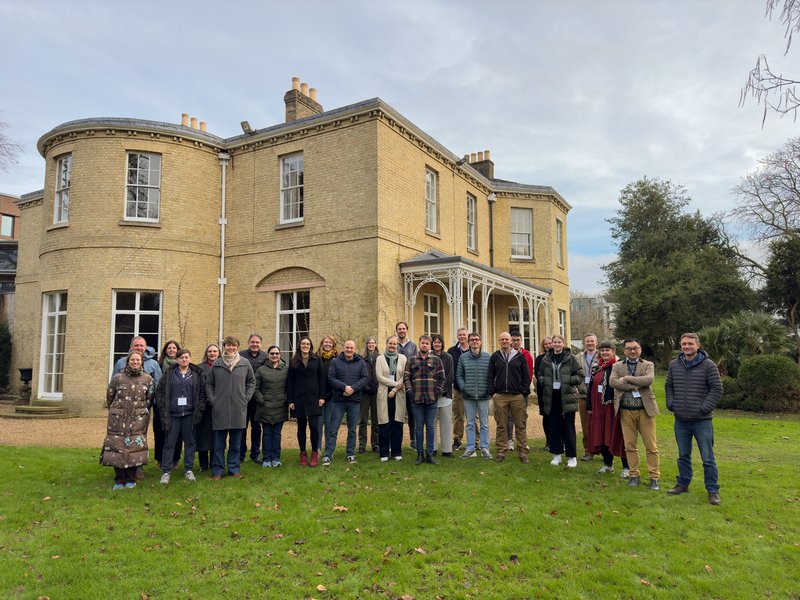
In January 2025, all participants of the wheat alliance project met for a productive kick-off meeting. The meeting was filled with many insightful talks about the previous work of the different partners and an insight into what the next exciting projects will be. Meeting in person, in the lovely Fitzwilliam College, strengthened our connections and has resulted in some excellent brainstorming sessions and discussions. This was the first of many meetings and it has set a good foundation for future collaborations.
Get a glimpse of the Wheat Alliance team braving the Danish winter and the collaborative energy behind our second annual meeting. Photos, highlights, and reflections from the researchers themselves.
