Modern agriculture faces a critical sustainability challenge. While chemical fertilizers have enabled increased food production, their environmental impact and long-term viability are increasingly concerning. Our Wheat Alliance project addresses this challenge by exploring a natural solution: the symbiotic relationships between plants and soil microorganisms.
We are identifying optimal combinations of wheat varieties and beneficial microorganisms that enhance nutrient acquisition from soil, improving crop resilience and productivity while reducing dependence on synthetic fertilizers.
Just as beneficial bacteria in the human microbiome support digestion and health, plants maintain complex relationships with microorganisms in the rhizosphere—the soil region surrounding plant roots. These microbes can significantly enhance plant nutrition by fixing atmospheric nitrogen, solubilizing phosphorus, and improving overall nutrient uptake efficiency. However, not all plant varieties are equally effective at establishing and maintaining these beneficial partnerships.
Our research systematically evaluates thousands of wheat varieties to identify those with superior capacity for microbial collaboration. Through comprehensive screening programs, we assess how different wheat genotypes interact with various soil microorganisms under controlled conditions, particularly focusing on nutrient-limited environments that simulate real-world agricultural challenges.
We employ advanced phenotyping technologies and data analytics, including artificial intelligence algorithms, to identify patterns and relationships that might otherwise remain undetected. This computational approach enables us to predict which plant-microbe combinations will be most effective, providing practical tools for agricultural applications.
Our research program is designed to deliver several key outcomes:
These outcomes will contribute to the development of more sustainable agricultural practices that leverage natural biological processes rather than relying solely on synthetic inputs.
"Our vision is to establish a comprehensive framework for microbiome-informed plant breeding that provides actionable insights for crop improvement programs, with potential applications across multiple crop species and agricultural management scenarios," explains Simona Radutoiu.
We are establishing a standardized infrastructure for high-throughput evaluation of wheat-microbiome interactions. This framework includes:
The image carousel below shows the extensive work done on the first screening of the diversity panel.
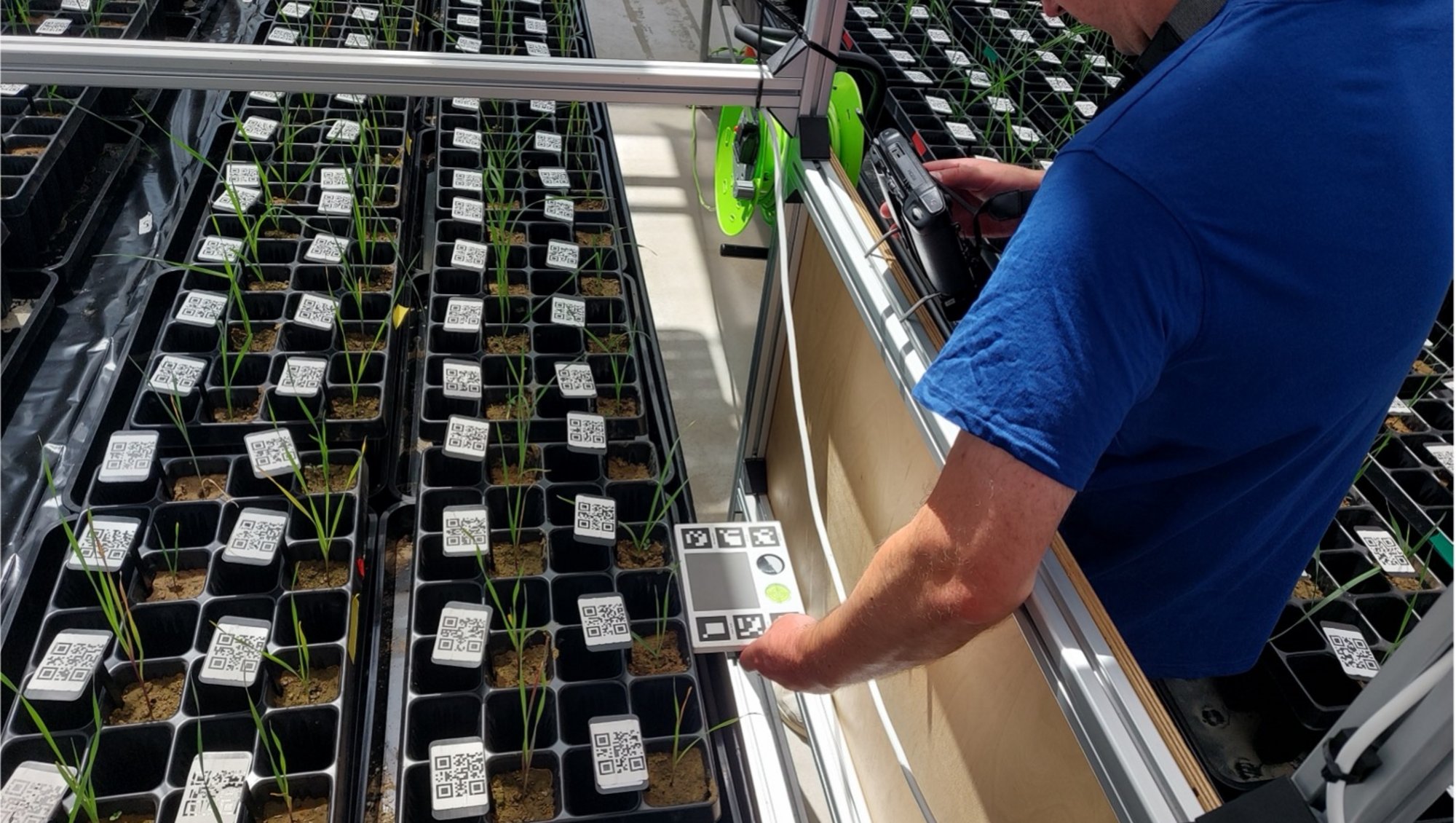
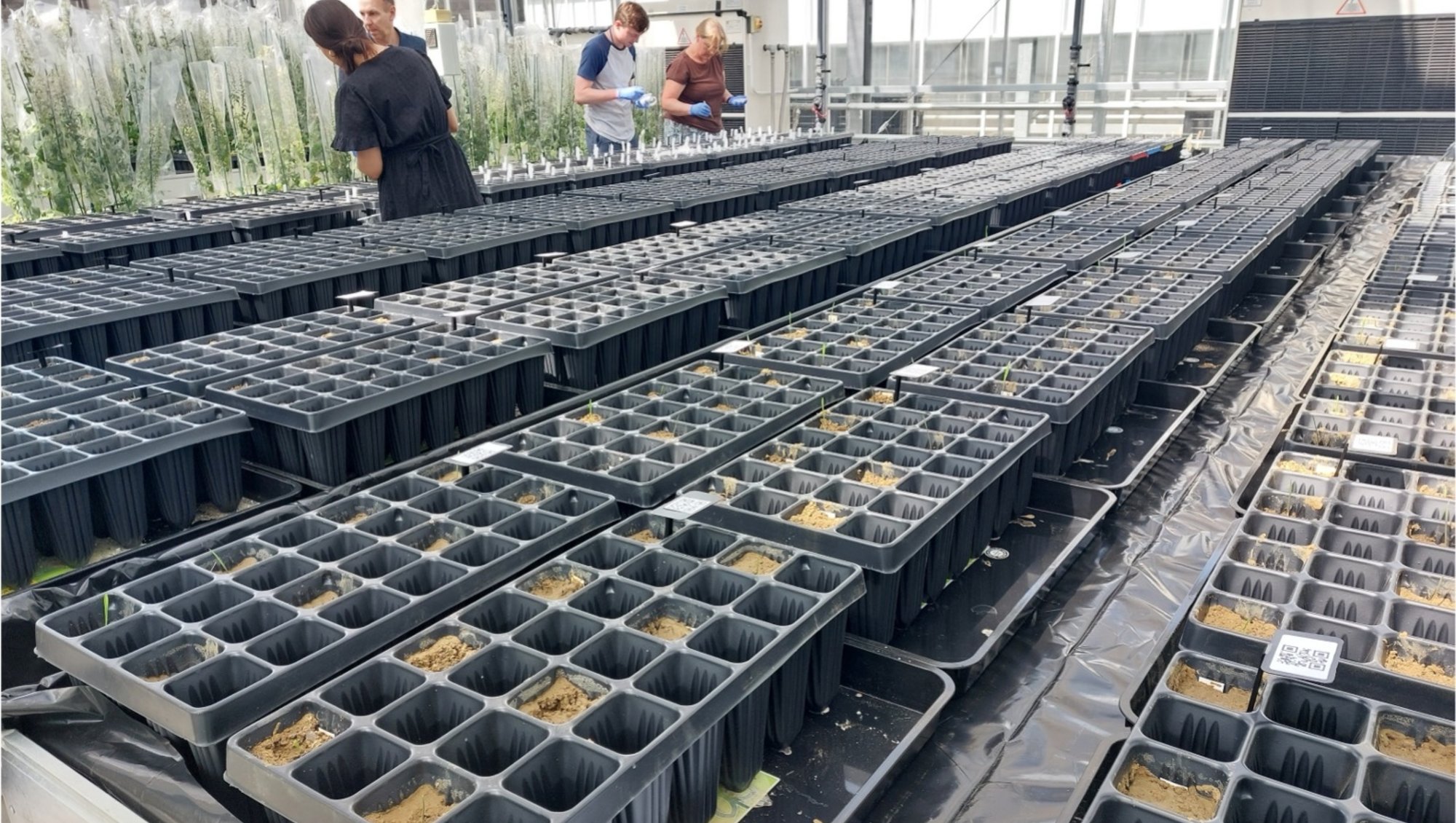

Dr. Rob Jackson and Felipe Pinheiro have flown from UK to help our dedicated scientist test the newly built imaging rig at the Copenhagen site and prepare them for the upcoming set up and harvest.
They have also shared a brief summary of the experiment, in the video on our outreach part of the website.
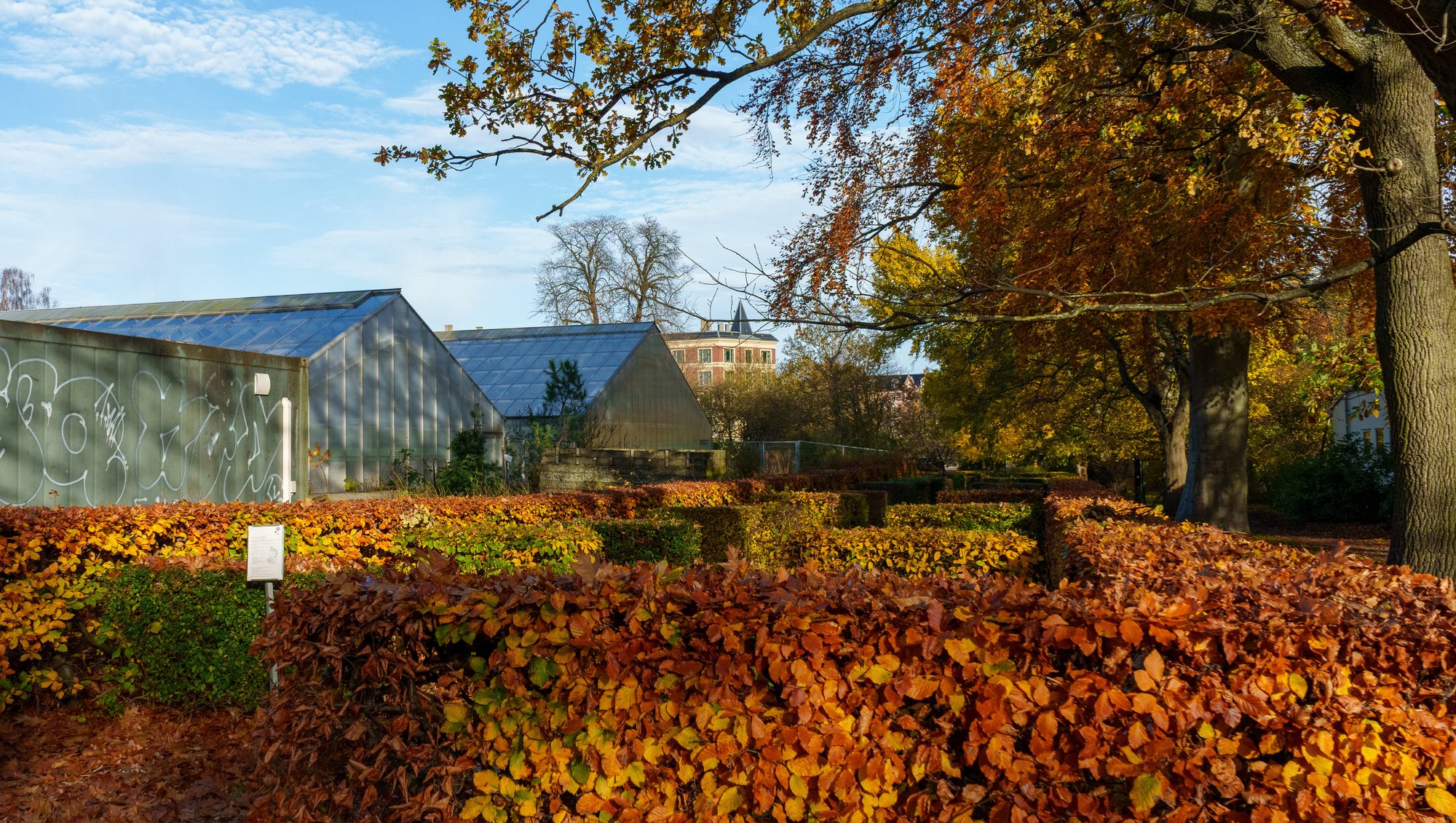
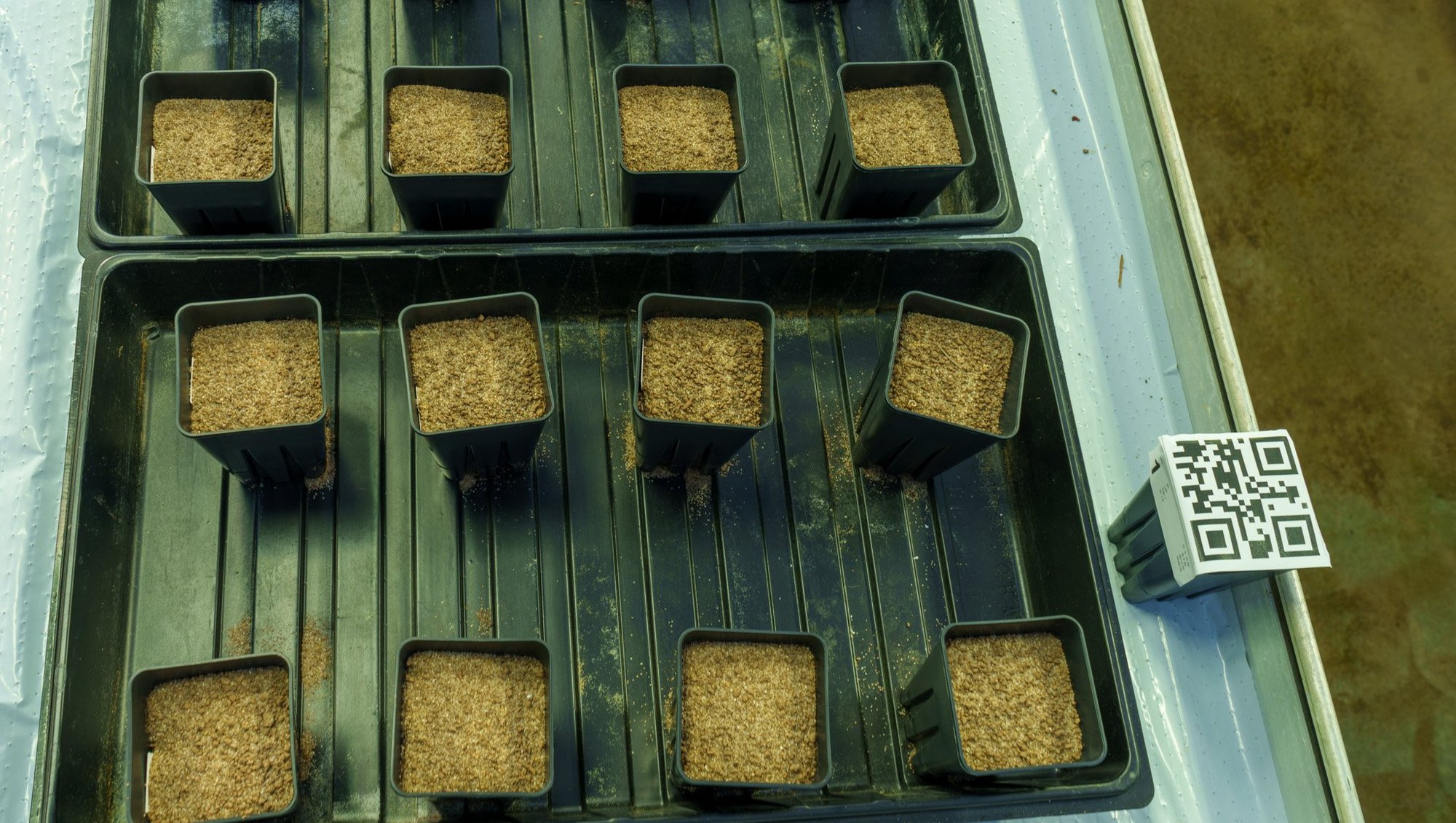
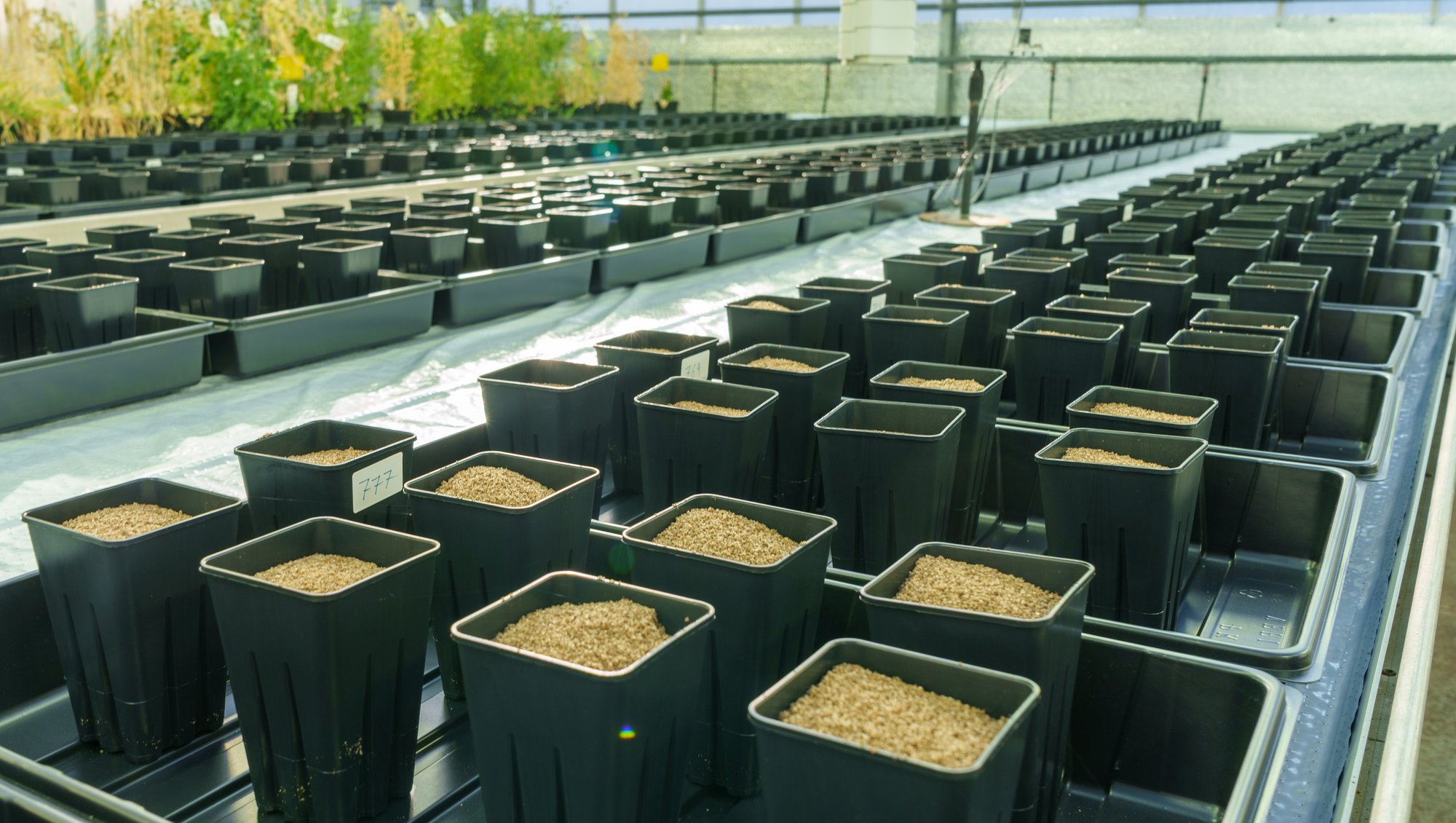
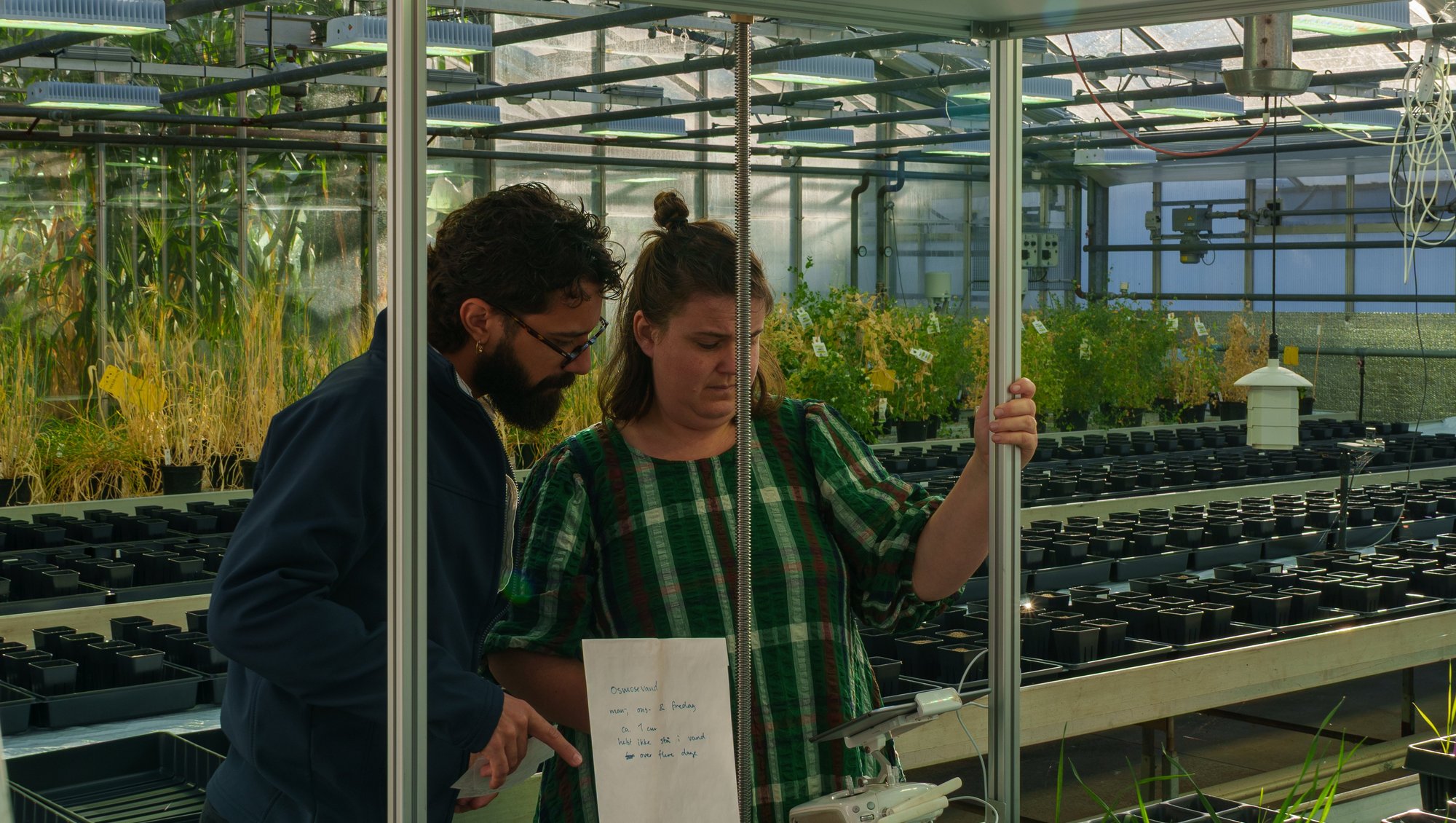
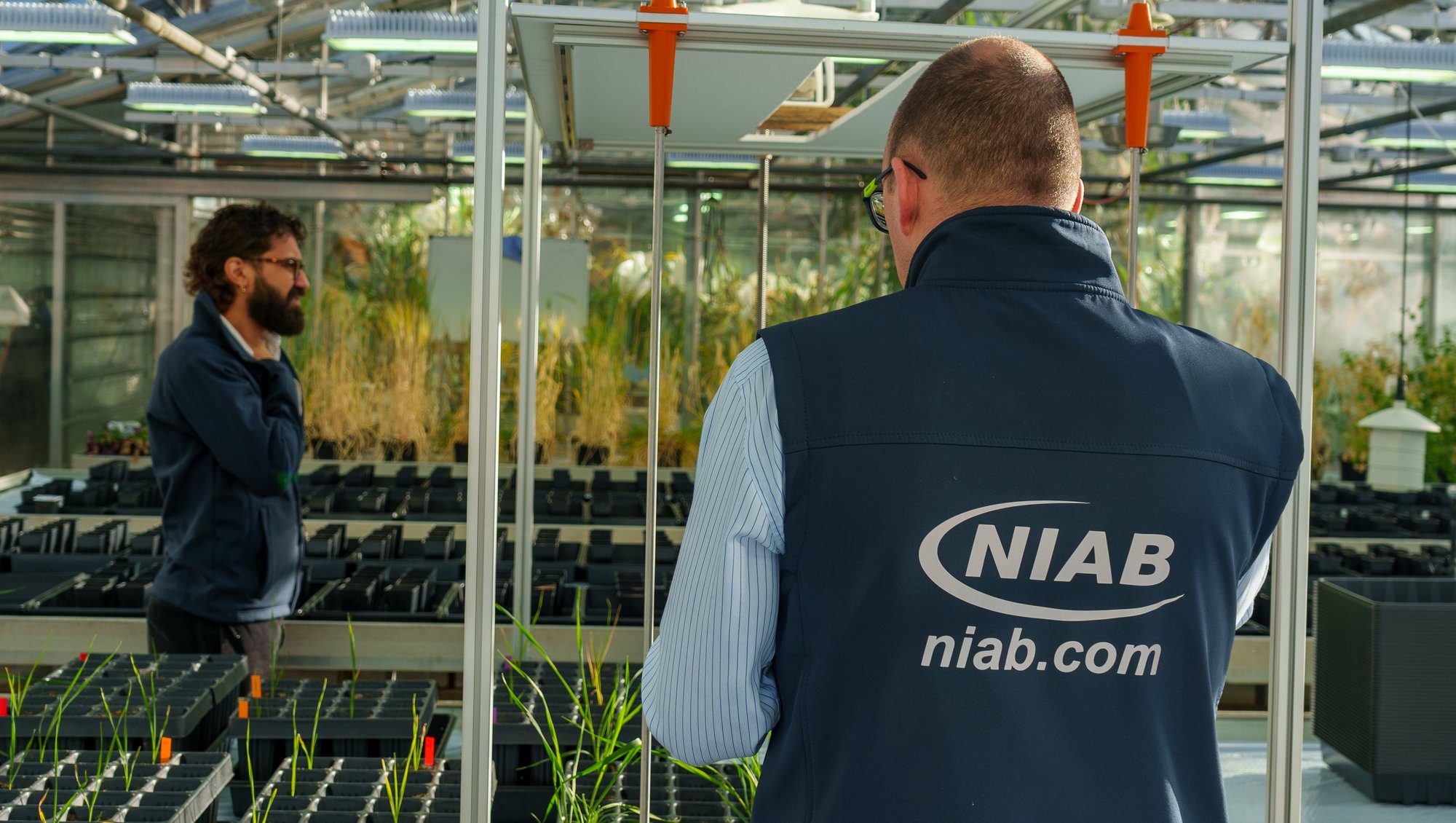
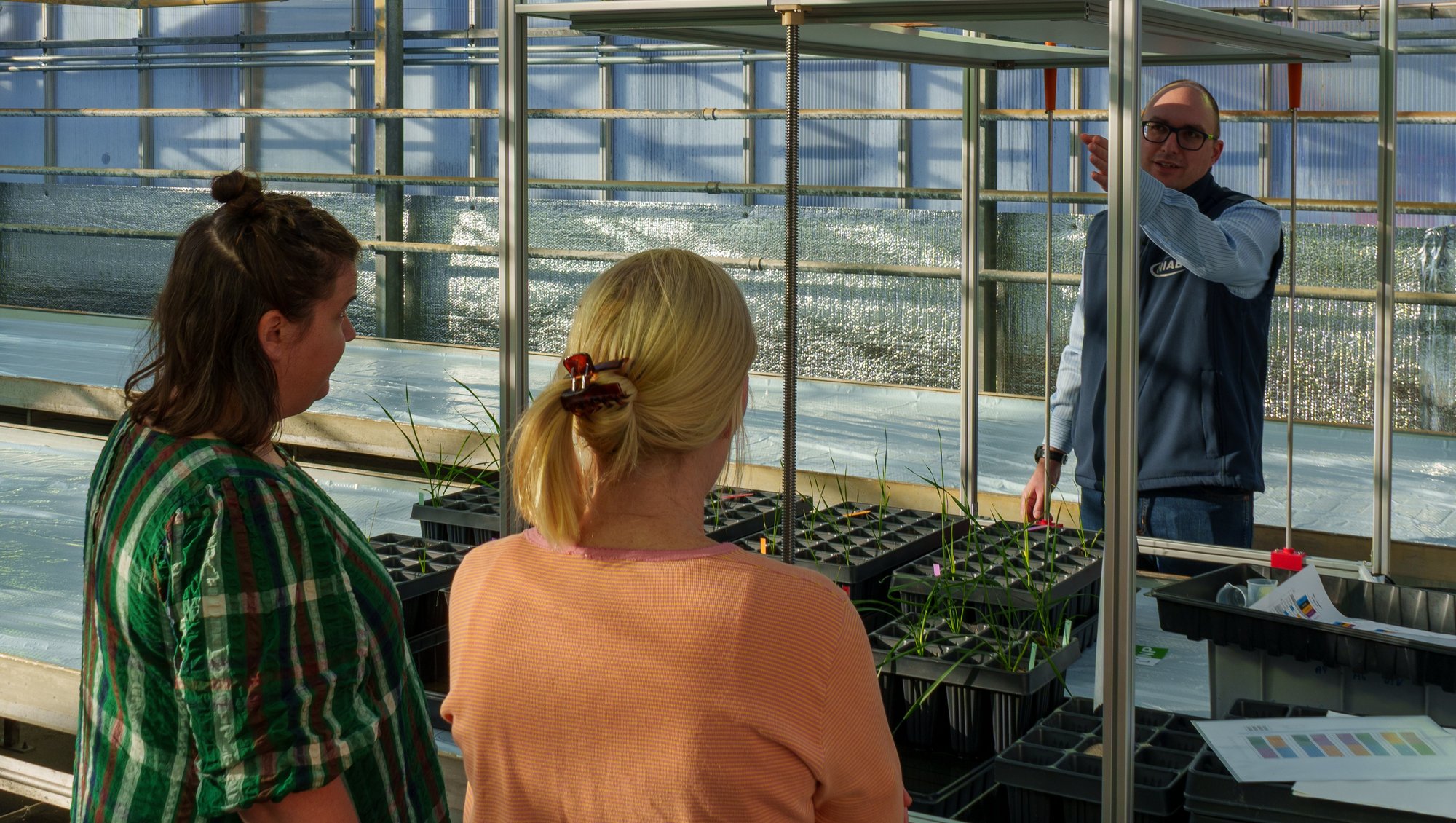
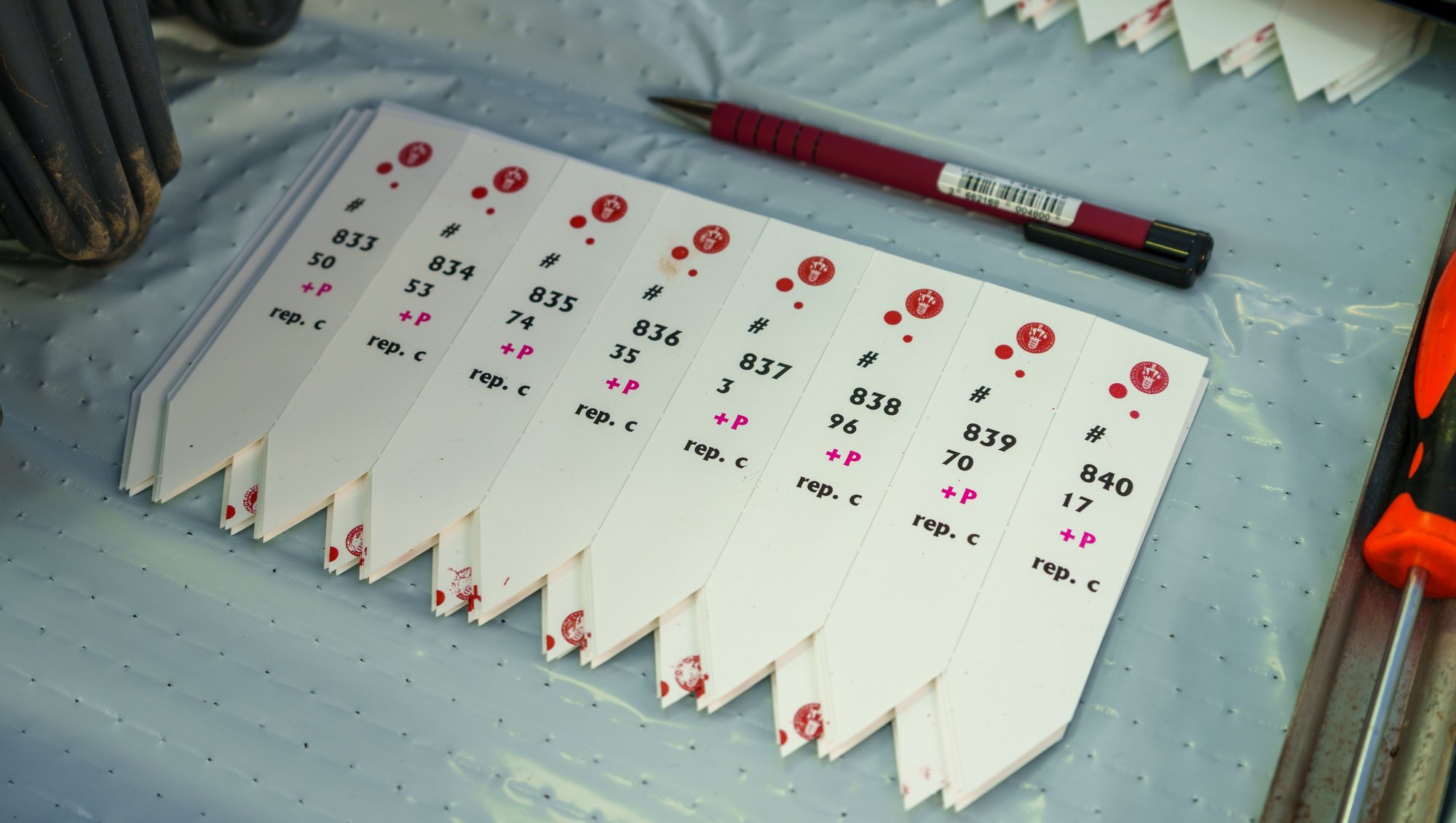
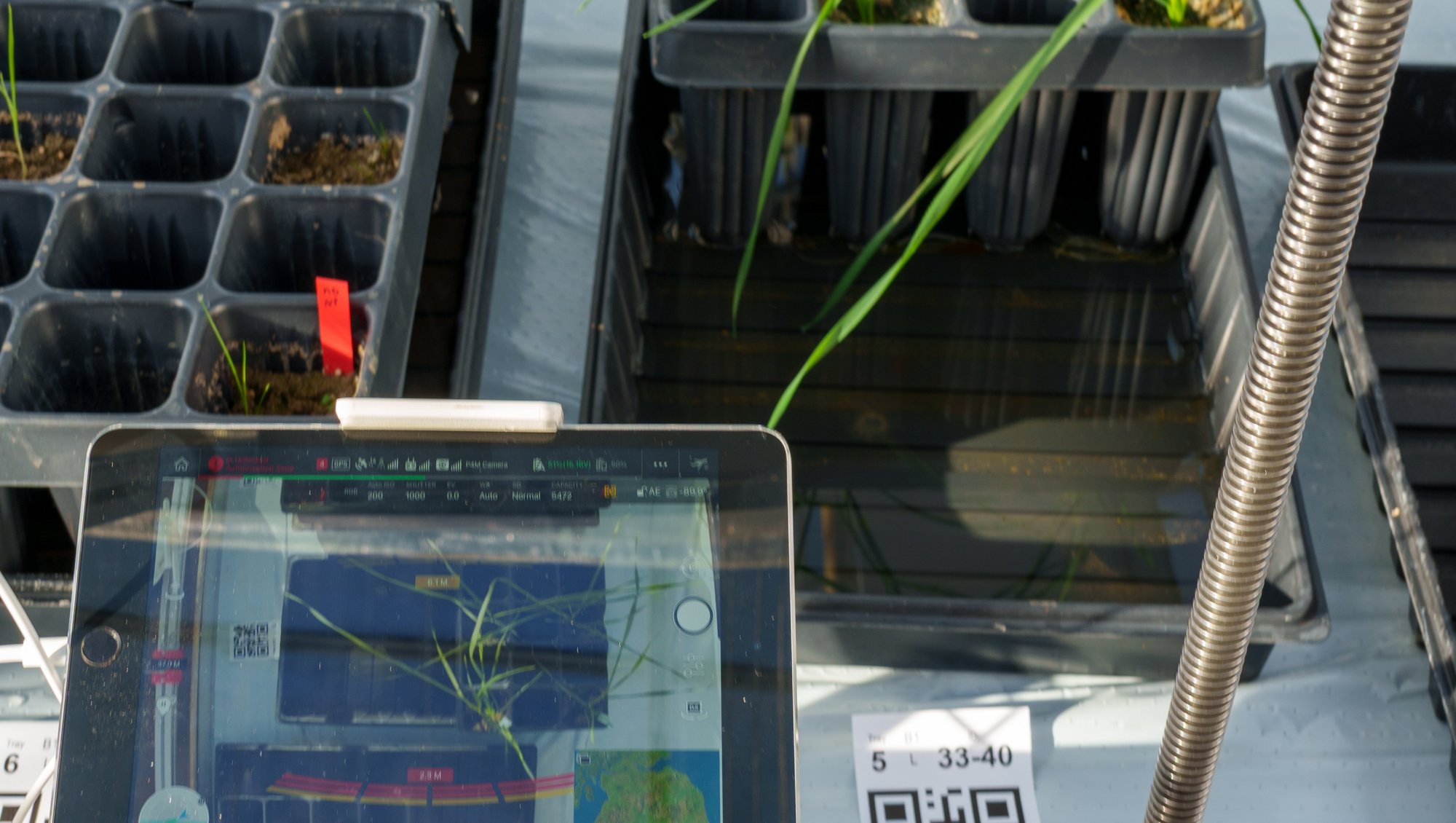
Klara has greeted wheat alliance members with a lovely postcard from their greenhouses, where the preparations are in full swing for the harvest of diversity panel wheat plants which were grown on soil from Tåstrup. This soil has been supplemented with phosphorus and we are curious to see how the plants will react to this addition.
Dear Wheat Alliance colleagues
Just a little greeting from the greenhouse in Copenhagen. Plants are growing with pretty good germination rates, and treatment effects are appearing on the oldest plants. We are getting ready to start harvest next week and look forward to sharing the preliminary findings with you in the new year. For now, just a little postcard saying that all is well and samples will be on their way for some of you soon...
Greetings from Copenhagen,
Klara
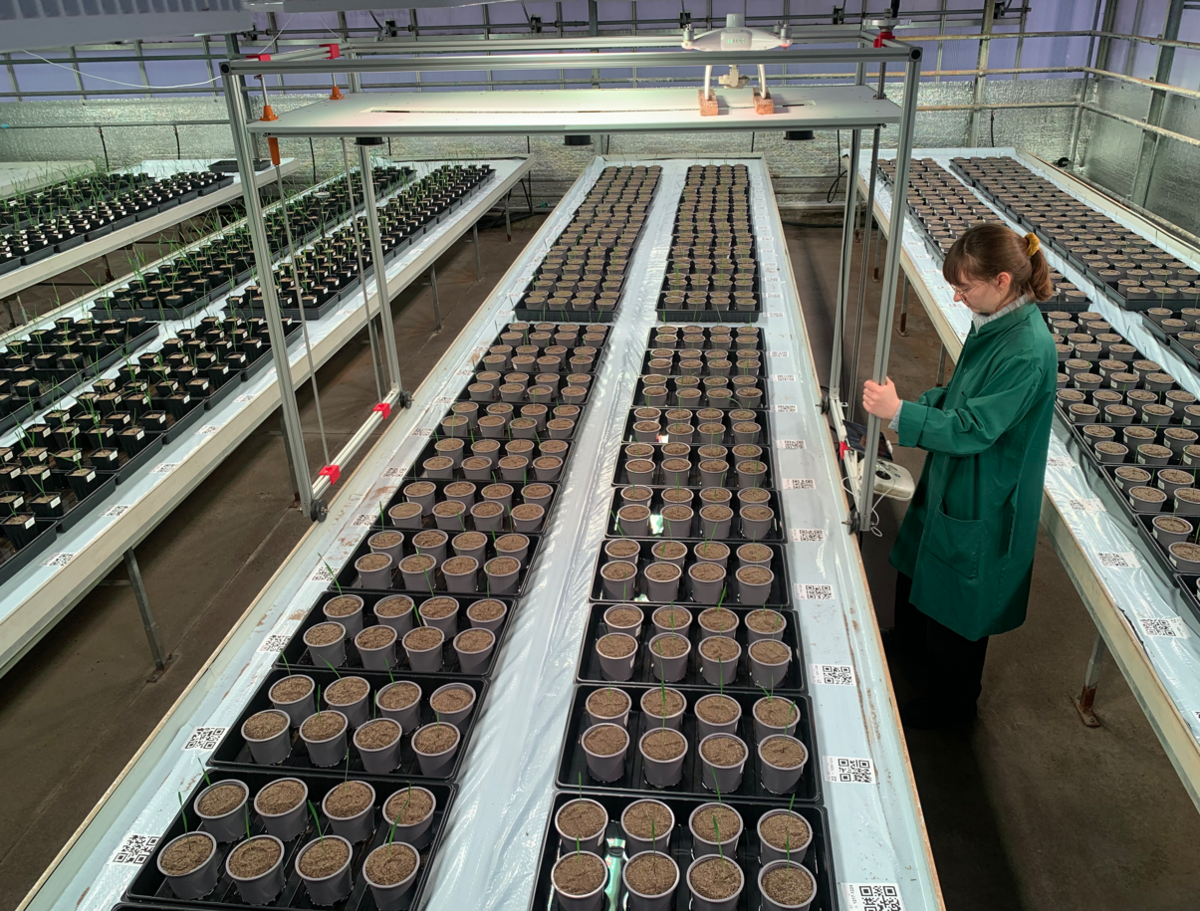
Building on our established framework, we conduct extensive screening studies to generate comprehensive datasets:
Our comprehensive datasets undergo sophisticated computational analysis:
The scope of this research requires careful coordination across multiple scientific disciplines:
This integrated approach ensures efficient resource utilization and meaningful progress toward developing practical solutions for sustainable agriculture.
