
Jakob Moser:When the rope breaks – tethering complexes in the breakdown of nerves and infertility
PhD defence, Friday 14 September 2012. Jakob Moser.
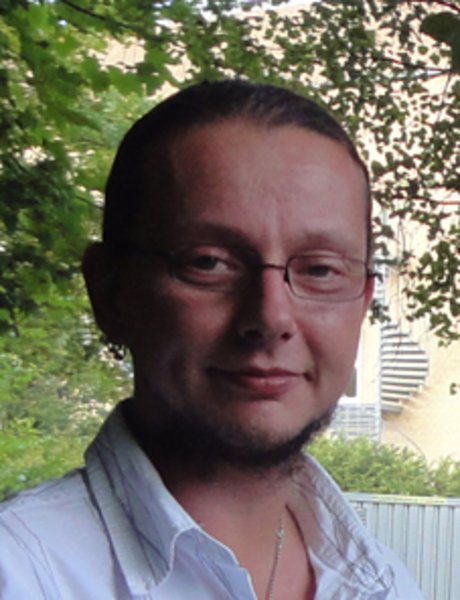
In his PhD studies, Jakob Moser used the wobbler mouse – an animal model for neurodegenerative diseases and certain forms of male infertility – to show how the wobbler mouse can be used to test possible problems with the artificial insemination method known as AOA (assisted oocyte activation). Studies of the wobbler mouse have shown that the main nerves in their brains react more easily to impulses, as is seen in patients with amyotrophic lateral sclerosis. It is hoped that a greater understanding of the mechanisms that lead to destruction of motor nerves can result in better treatment opportunities for these patients.
The disease in the mice is due to a point mutation of the Vps54 protein, part of the GARP complex that tethers vesicles to the Golgi apparatus, just like a rope is used to tether a ship to the dock.
The PhD degree was completed at the Department of Molecular Biology and Genetics, Science and Technology, Aarhus University.
Time: Friday 14 September 2012 at 11.15
Place: Lecture Theatre D, Department of Mathematics
Title of dissertation: Functional analysis of the GARP complex in embryonic stem cells and mutant mice
Contact information: Jakob Moser, jmm@mb.au.dk
Members of the assessment committee:
Associate Professor Åsa Fex Svenningsen, Department of Neurobiology, University of Southern Denmark
Professor Erhard Wischmeyer, Department of Physiology – Neurophysiology, University of Würzburg, Germany
Associate Professor Anni Hangaard Andersen (chair), Department of Molecular Biology and Genetics, Aarhus University
Main supervisor:
Associate Professor Thomas Schmitt-John, Department of Molecular Biology and Genetics, Aarhus University
Language: The dissertation will be defended in English
The defence is public.
The dissertation is available for reading at the Graduate School of Science and Technology/GSST, Ny Munkegade 120, building 1521, room 112, 8000 Aarhus C.