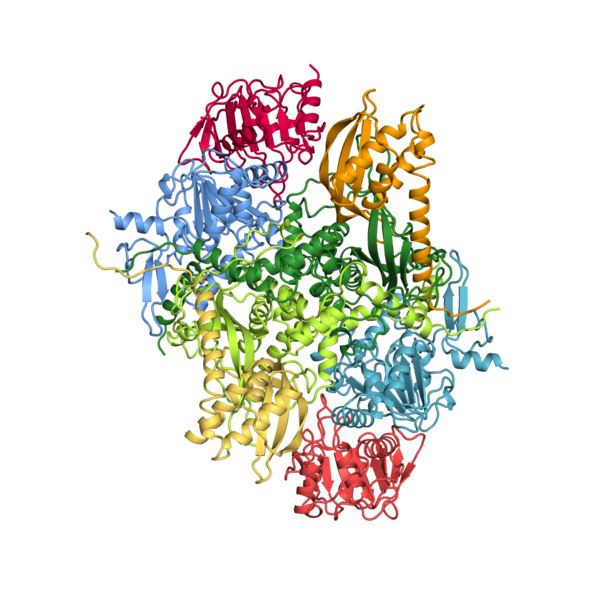
In our lab, we are interested in understanding the molecular mechanisms underlying microbial defence mechanisms in both bacteria, viruses, and archaea.
Microorganisms have a profound influence on human health and well-being. Gut bacteria are essential for our digestive system and nutrition while microbes in our environment constantly attempt to compromise our immune system. To win this fight, all microorganisms have developed sophisticated defence mechanisms that are vital for their survival. The produce endo-toxins and highly specialised enzyme systems that allow them to overcome exposure to antibiotics or periods of nutritional starvation. And CRISPR-Cas systems allow bacteria and archaea to acquire heritable immunity towards the pathogens they encounter.
We ask fundamental, molecular questions related to microbial defence systems and use biochemistry and structural biology to understand these mechanisms from the atomic to the cellular level. By combining biochemistry with state-of-the-art methods in structural biology in collaboration with leading experts around the world, we strive to advance our knowledge of the underlying principles of microbial survival mechanisms and provide a foundation for the development of future anti-microbial drugs and treatment regimens.
In the lab we use molecular biology, biochemistry, x-ray crystallography, and single particle electron microscopy to study the structure and function of a number of important protein and RNA macromolecules involved in microbial survival and self-defence.
Our lab is a part of the Centre for Structural Biology in Aarhus, one of the largest structural biology facilities in Northern Europe.
BSc and Msc students as well as prospective PhD student and post docs interested in the projects are welcome to contact Ditlev Brodersen (see contact details above) for further information and for an informal visit to the lab.
As a student in the group, you will be able to work with