Successful pregnancy establishment requires the development of a competent embryo and its subsequent implantation into a receptive endometrium. The establishment of in vitro fertilisation and subsequent embryo transfer to establish pregnancy have revolutionised infertility treatment by generating competent embryos. Yet, an estimated 40 to 50% of fertilised eggs fails to implant.
Several unknown factors cause a rise in the number of infertile couples. One contributing factor is the exposure to omnipresent environmental pollutants, including microplastics, bisphenols, and perfluorinated compounds.
Curiously, species displaying embryonic diapause – a reversible paused state of pre-implantation embryos – such as the European roe deer and tammar wallaby display pregnancy rates as high as 92% and 88%, compared to only 58% and 30% in non-diapausing species like diary cows and humans. Embryonic diapause thus safeguards reproductive success. Yet, the molecular mechanisms remain elusive and thereby the secret of fertility remains unsolved.
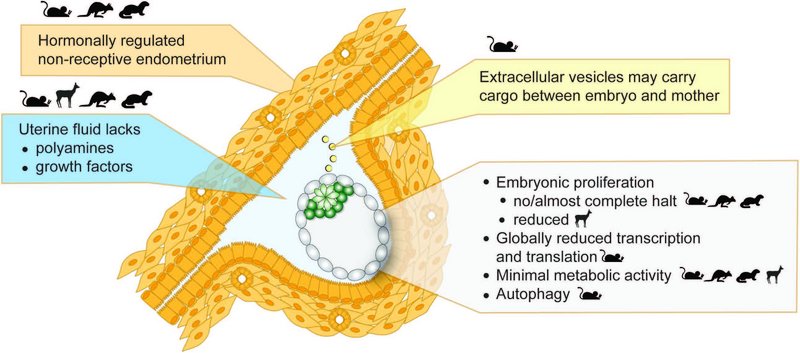
During embryonic diapause, the pre-implantation embryo pauses reversibly for several days up to 11 months.
This is paused state is hypothesised to be maternally dictated through a hormonally regulated non-receptive endometrium and a lack of embryonic micro-environmental growth factors.
Embryonic pausing can also be induced in vitro through chemical inhibition of the cellular nutrient sensor mTOR.
We are fascinated by cell-cell interactions and how these determine current and future cell fates. Development and specifically embryonic diapause offers the unique opportunity to develop an understanding of which factors contribute to cellular fitness and how the embryo and maternal organism interact, despite the lack of a continuation in development. Two current focus areas are gaining molecular insight into embryonic developmental competence and endometrial receptivity
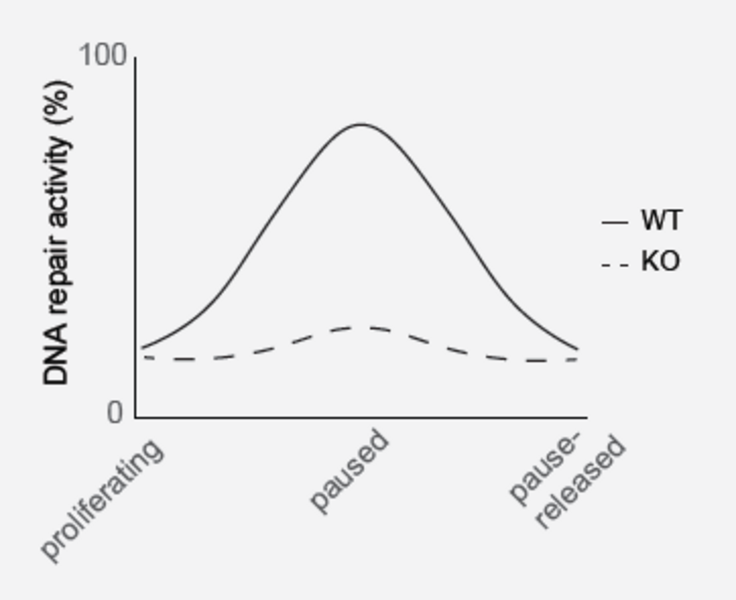
Diapausing embryos remain competent for up to 11 months.
This poses the question: “How do diapausing embryos maintain developmental competence?”.
We will use mouse embryonic diapause as a model to decipher how enhanced embryonic DNA repair safeguards developmental competence.
